Dublin - Holyhead
Ferry to Wales
Dublin - Holyhead
Ferry to Wales


Fares for the Dublin to Holyhead crossing usually range somewhere between $70* and $1030*. Most travellers pay around $630* for a Dublin Holyhead ferry ticket, and the cheapest fares on this route begin at $70*. Foot passengers can expect to pay roughly $147* on average. Bringing a car along typically brings the average fare up to $746*.
Fares vary according to passenger count, vehicle type, the route itself and what time you sail. Figures come from fares searched in the previous 30 days, don't include service fees, and were last checked September 26.
There's a quick way to stack up ferry fares and operators from around the world side by side, so you can pick the crossing that best suits you. Getting in early tends to open up the widest choice of prices and sailing times.
Direct Ferries has discounts running throughout the year. Where a senior discount applies to your crossing, it's applied the moment you pick the matching age bracket in the passenger section of your search.
If you're a student or recent graduate, a 5% discount is up for grabs. Head to our partner Student Beans to confirm your status and you'll receive a code to enter at checkout.
A handful of Spanish and Italian ferry routes also offer a resident discount — choose the "Residents" option if it appears during your search and the lower fare is applied straight away. You'll usually need to show proof of address, like a residency card or certificate, when you check in.
Sailings on the Dublin Holyhead route generally kick off from Dublin at around 01:15, and the last departure of the day is usually around 22:30.
With a longer crossing time, a trip between Dublin and Holyhead is better suited to a weekend away or an extended stay, so you get proper value out of the journey.
Yes, Irish Ferries & Stena Line carries vehicles on the Dublin to Holyhead route. Check our Deal Finder for up-to-date car ferry pricing on this crossing.
Whether a caravan or campervan is welcome on board the Dublin to Holyhead ferry comes down to the ship and operator running the sailing. Pop your travel details into our Deal Finder, and we'll check the operators on this route for you.
Yes, Irish Ferries & Stena Line takes bicycles on the Dublin to Holyhead crossing. Most operators are happy to carry bikes, but it's always worth confirming their exact policy before you turn up at the terminal.
Yes, Irish Ferries & Stena Line carries foot passengers between Dublin and Holyhead.
Pet owners are in luck — Irish Ferries & Stena Line allows pets on board between Dublin and Holyhead. Travelling with a pet on this crossing costs an average of $622.
Fares reflect searches from the last 30 days, exclude service fees, and were last checked September 26.
Before you bring a pet on board, it helps to have the following sorted:
It depends on which operator you're sailing with — some ferries keep pets in your vehicle for the whole trip, while others have dedicated pet areas, kennels, or even pet-friendly cabins. Our Deal Finder lays out the options so you can pick the crossing that works for your pet.
There's a bit to know before travelling with a guide or assistance dog. Let our customer service team know in advance, or mention it to the ferry operator when you book, so everything's arranged ahead of time.
Carry any certification or documentation your dog needs, since you could be asked to show it at boarding or partway through the crossing.
Rules for guide dogs and assistance dogs can differ from general pet policy, even on sailings where pets aren't otherwise allowed. Reach out to our customer service team to check what applies to your sailing, or visit our Special Assistance Help page for more detail.
Whether the Dublin to Holyhead route has an overnight sailing depends on a mix of factors. Search with your travel dates, and we'll show you whether an overnight option exists, plus current timetables, crossing times and daytime alternatives.
Note that overnight sailings can occasionally take a bit longer than daytime crossings.
What you'll need to travel varies by route, so it pays to check ahead of your sailing. A valid passport is typically required for the Dublin to Holyhead crossing, along with any visa or national ID required for your nationality. As rules depend on both where you're from and where you're headed, our Check-in, Travel Documents & Tickets guide is worth a read to avoid any hold-ups at check-in.
Booking couldn't be simpler — select your departure port, arrival port and travel date to see everything on offer. From there, you can weigh up alternative routes and departure times to land on the best fit.
Look for early-booking deals and flexible fare types, like upgrades or flexi-tickets, which give you room to change plans later. Double-check details such as passenger numbers and vehicle specs as you go, to keep the booking process painless.
You'll get a confirmation email the moment your booking goes through. From there, how your boarding pass turns up depends on the operator.
Some operators send the boarding pass straight away, while others want you to check in at the port. Where it's on offer, online check-in through the Direct Ferries app can save you time at the terminal.
Ticket desks tend to sit right by the ferry terminal. Building in some extra time before you sail means you won't be rushed collecting tickets and getting checked in.
Have your confirmation email and valid photo ID — a passport or identity card — ready at check-in. If a pet's travelling with you, bring their vaccination and insurance papers, and hold onto proof of address if you booked with a resident discount.
A gap in sailings from Dublin to Holyhead on your chosen date usually comes down to something like a timetable adjustment, limited space, or a seasonal dip in service. Try a different date, or browse other options with our Route & Port finder.
Generally speaking, booking your Dublin to Holyhead ferry sooner rather than later pays off — earlier bookings usually mean lower fares and more choice of departure times and cabins.
A few weeks' lead time is usually enough to catch a good deal, though fares can still move around depending on the season and what's left available.
More routes than anyone else.

Compare fares, times & routes in one place.
Change plans easily with flexi tickets.

Book e-tickets & manage trips in-app.
Live ship tracking & real-time updates.

Top-rated customer support when you need it.
| Dublin - Holyhead Ferry Route Prices | ||
|---|---|---|
| Foot Passenger | $147 | |
| Average Price with Car | $746 | |
| Average Price with Motorbike | $240 | |
| Average Campervan Price | $611 | |
| Average Cabin Price | $622 | |
| Dublin - Holyhead Ferry Route Summary | |
|---|---|
| Origin | Ireland |
| Destination | Wales |
| No. of Operators | 2 |
| Operators | Irish Ferries & Stena Line |
| Average Price | $630 |
| Average Pet Price | $622 |
| Average Daily Sailings | 5 |
| Average Weekly Sailings | 35 |
| Average Sailing Duration | 3 h 30 m |
| Fastest Sailing Duration | 3 h 25 m |
| First Ferry | 01:15 |
| Last Ferry | 22:30 |
| Distance | 94 Nautical Miles |
* Prices subject to change, pricing is taken from last 30 days, last updated 1 September 2026.
The Irish city of Dublin is the capital of Ireland and lies in the province of Leinster on the east coast of Ireland, at the mouth of the River Liffey. Dating back to the Viking age, Dublin began to rapidly expand in the 17th century. Today, the city attracts millions of visitors every year to experience everything the city has to offer. One of Dublin's oldest monuments is the 13th century Dublin Castle which was founded after the Norman invasion. Trinity College, Dublin is also a popular visitor destination in order to see the Book of Kells which is an illustrated manuscript created by Irish monks in around 800 AD. One of the most photographed sights in Dublin is the Ha'penney Bridge which is an old iron footbridge that spans the River Liffey. This is considered to be one of Dublin's most iconic landmarks.
Dublin Port is the busiest passenger ferry port in Ireland, serving 1.5 million passengers per year to destinations in the UK and Europe. The port has three terminals and lies at the mouth of the River Liffey, which is under 3 km from the city centre.
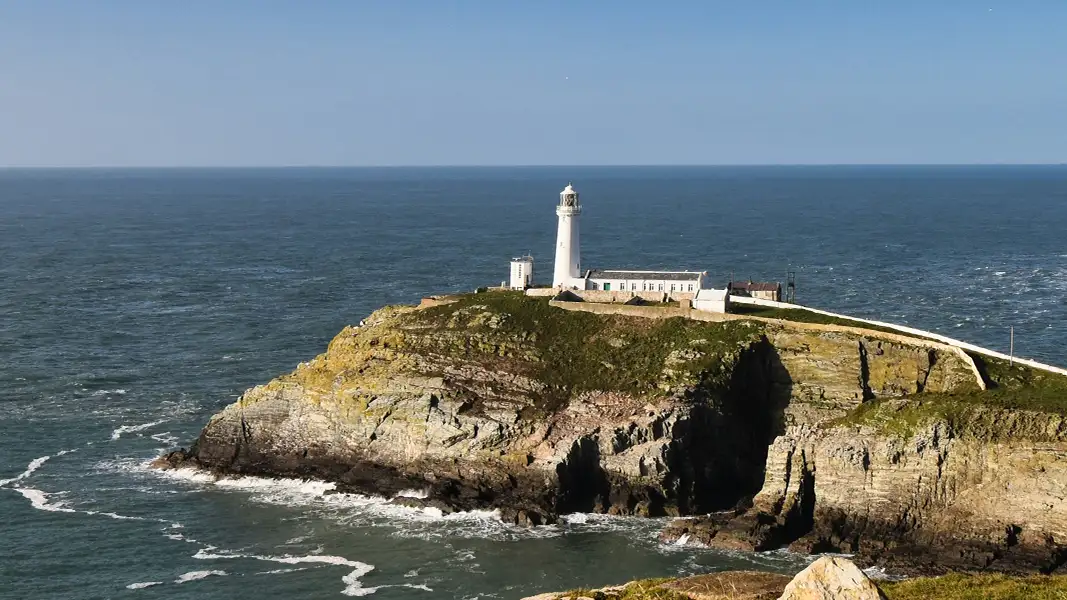
The Welsh town of Holyhead is located on Holy Island in Anglesey. At one point Holy Island was connected to Anglesey by the Four Mile Bridge but was replaced by the construction of a causeway in the 19th century. The Cobb, as the causeway is named, now carries the main road and railway line that serves the town. The Church of St. Cybi is the heart of the town and was built inside one of Europe's few three-walled Roman Forts. Other Roman sites in the town include a watchtower on the top of Holyhead Mountain inside Mynydd y Twr which is a prehistoric hill fort. There are also signs that the area has been inhabited since prehistoric times, with circular huts, burial chambers and standing stones all being found in the area. The current lighthouse is on South Stack on the other side of Holyhead Mountain and is open to the public. The area is also popular with birdwatchers.
From the Port of Holyhead, ferries depart to Dublin and Dun Laoghaire in Ireland.